
CategoriesStyles and Movements
De Stijl
Dutch movement founded in 1917 that reduced painting, design and architecture to straight lines, right angles and primary colours.
52 works · 10 related artists
About
De Stijl ('The Style') began in 1917, when Theo van Doesburg launched a magazine of that name in Leiden. The circle, which included Piet Mondrian, Bart van der Leck, Vilmos Huszár and the architect J. J. P. Oud, imagined a universal visual language that could bring order to a Europe broken by war.
Mondrian called his version Neo-Plasticism. From about 1920 his canvases use only horizontal and vertical black bands, rectangles of red, yellow and blue, and white and grey, as in Composition with Red, Blue and Yellow (1930). The same grammar moved into furniture and buildings. Gerrit Rietveld's Red and Blue Chair, designed around 1918 and painted a few years later, and his house for Truus Schröder in Utrecht (1924) break volumes into sliding, coloured planes. When Van Doesburg introduced diagonals in the mid-1920s, Mondrian broke with him. The ideas passed into Bauhaus teaching and modern graphic design.
Related artists
More in Styles and Movements
Deconstructivism
Deutscher Werkbund
Die Brücke
Documentary Film
Documentary Travel Photography
Dusseldorf School of Photography
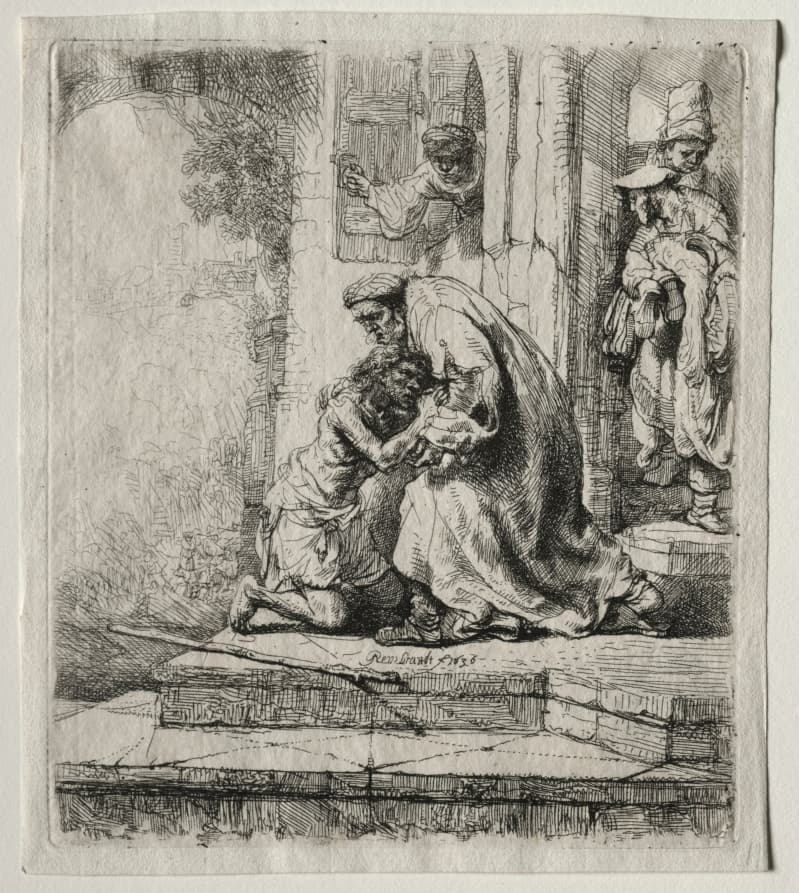
Dutch and Flemish
Early Computer Art
Early Renaissance
East Village Art
Emerging Art
Expressionism
Fashion Photography
Fauvism
Faux Naïf
Feminist Art
Feminist Art and Contemporary Feminist
