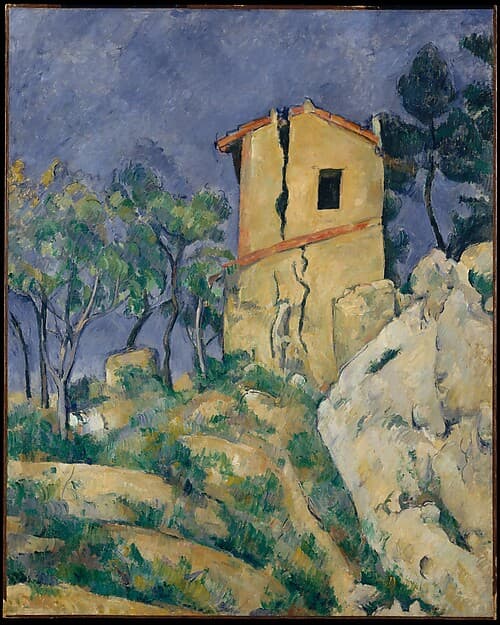
Smooth Surface
No open-access works for Smooth Surface are in the index yet. They will appear here as more collections are indexed.
About Smooth Surface
Smoothness hides the labour that produces it. A polished surface removes tool marks and lets form, colour and reflection take over. Chinese potters of the Song dynasty sought flawless, jade-like glazes, and Japanese lacquerers built up many thin coats, each rubbed down, to reach a deep, glassy finish.
In Europe, Antonio Canova brought marble to a soft glow in figures such as Psyche Revived by Cupid's Kiss (1787–93). Modern sculptors and designers pursued seamless forms with new means: Constantin Brancusi polished bronze until outlines dissolved in reflection, Art Deco lacquer and silver pieces prized unbroken planes, and moulded fibreglass let Eero Aarnio make the Ball Chair (1963) as one continuous shell. Look for the absence of joins, tool marks and texture, and for how evenly light slides across the form.
The makers
Related artists.
Sparse
Stained Glass Effect

Striped
Symmetrical
Tangled Forms
Viscous Forms
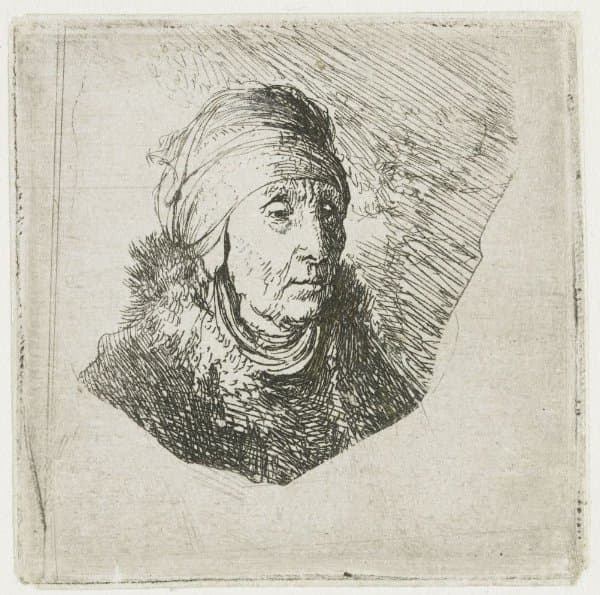
Wrapped
Abstract Illusionism
Allover Composition
Angular
Asymmetrical
Balance
Biomorphic

Black and White
Blown-Off-Roof Perspective
Blurred
Bright and Vivid Colors
Bulbous
Calligraphic
Color Gradient
Columns and Totems
Contour Line