
CategoriesStyles and Movements
Post-World War I European Classicism
The “return to order” of the 1920s, when many European modernists turned to solid figures, clear drawing and references to antiquity.
No works indexed yet · 10 related artists
No open-access works for Post-World War I European Classicism are in the index yet. They will appear here as more collections are indexed.
About
In 1917 Pablo Picasso travelled to Rome to design the ballet Parade and soon afterwards was painting heavy, calm women modelled like antique statues, as in Three Women at the Spring (1921). After the First World War many artists who had fractured form before 1914 turned to solid figures, clear outlines and Mediterranean subjects, and the poet Jean Cocteau collected his essays under the title Le Rappel à l'ordre (1926), “the call to order”.
The mood took different national forms. André Derain and Gino Severini revisited Old Master techniques, and Fernand Léger painted monumental, machine-smooth nudes in Le Grand Déjeuner (1921). In Italy the journal Valori Plastici championed tradition, and the Novecento group, including Mario Sironi, sought a modern classicism that became closely tied to the Fascist regime. In sculpture, Aristide Maillol and Arturo Martini gave the tendency weight. Look for stillness, idealised bodies and echoes of antiquity.
Related artists
More in Styles and Movements
Post-World War II School of Paris
Postminimalism
Pre-Raphaelites
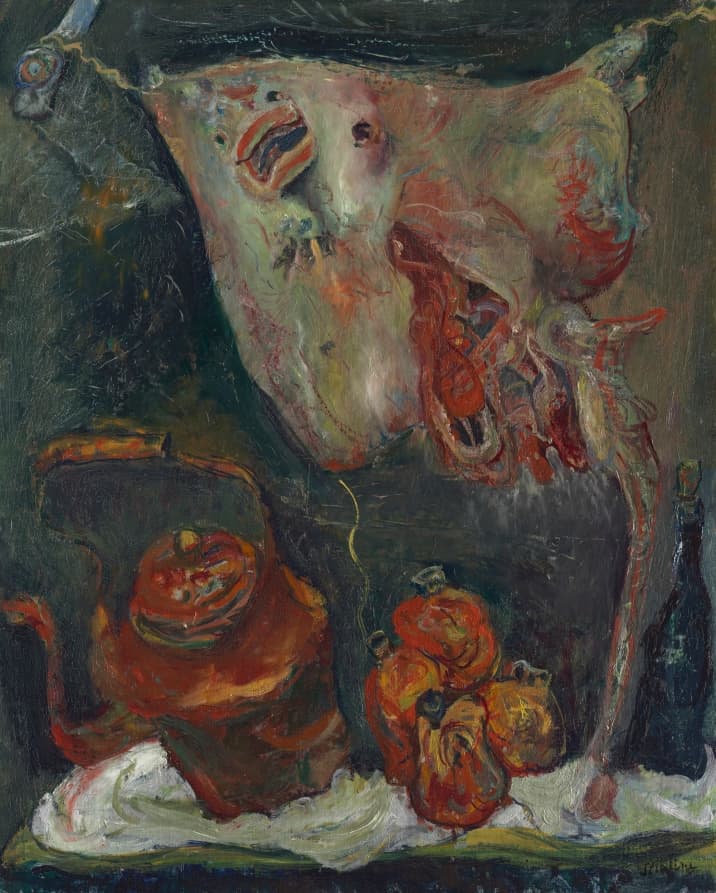
Pre-World War II School of Paris
Precisionism
Process Art
Progressive Artists' Movement
Purism
Relational Aesthetics
Renaissance
Rinpa School
Rococo Art and Design

Romanticism
School of London
Shin Hanga
Social Action
Socialist Realism
Soviet Nonconformist Art
Spatialism
Spiral Group
Street Photography
Studio Museum in Harlem Artist-in-Residence (AIR) Program
.jpg%3Fwidth%3D960&w=3840&q=75)