Figure from the Back (Rückenfigur)
No open-access works for Figure from the Back (Rückenfigur) are in the index yet. They will appear here as more collections are indexed.
About Figure from the Back (Rückenfigur)
A figure seen from behind stands between the viewer and the scene, looking where we look. We share the view but not the face. The German term Rückenfigur is tied to Caspar David Friedrich, whose Wanderer above the Sea of Fog (c. 1817) and Woman at a Window (1822) turn solitary backs into vessels for longing.
The device is older and wider. Giotto placed hunched mourners with their backs to us at the front of his Lamentation (c. 1305) in Padua, and Gerard ter Borch let a satin gown carry the drama of Gallant Conversation (c. 1654). Vilhelm Hammershøi painted his wife Ida turned away in quiet Copenhagen rooms around 1900, and René Magritte made the idea uncanny in Not to Be Reproduced (1937), where a man sees only his own back in a mirror. Gerhard Richter's Betty (1988) shows his daughter looking away just as her portrait is made.
The makers
Related artists.
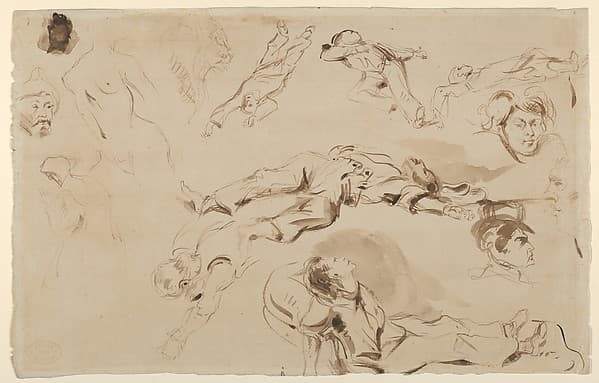
Figure Studies
Figures in Nature
Figures of the Art World

Flora
Focus on the Social Margins
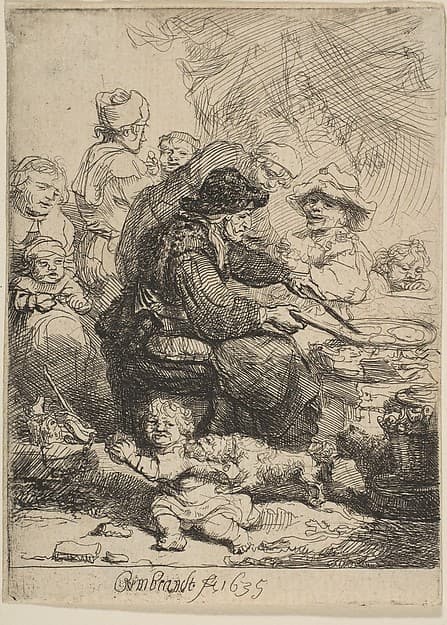
Food
Gender
Glamour
Globalization
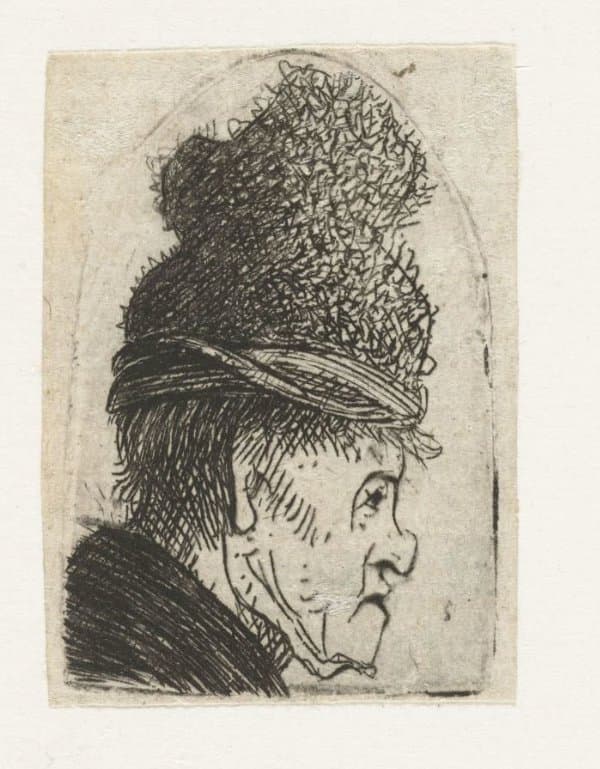
Grotesque
Group of Objects
Group of Portraits

Group Portrait

Haze
Hugs and Kisses